Prefabricated Warehouse Solutions: The Role of Manufacturers in Modern Storage and Rental Markets
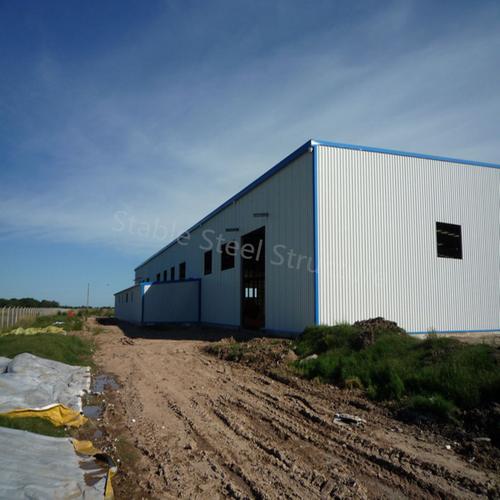
In the rapidly evolving landscape of industrial and commercial real estate, prefabricated buildings have emerged as a transformative solution for warehouse needs. Manufacturers specializing in prefab structures are revolutionizing how businesses approach storage, logistics, and temporary space requirements. This article explores the advantages of prefabricated warehouse buildings, the capabilities of leading manufacturers, and their growing intersection with the house rental market, particularly in dynamic regions where flexible space is in high demand.
The Rise of Prefabricated Warehouse Buildings
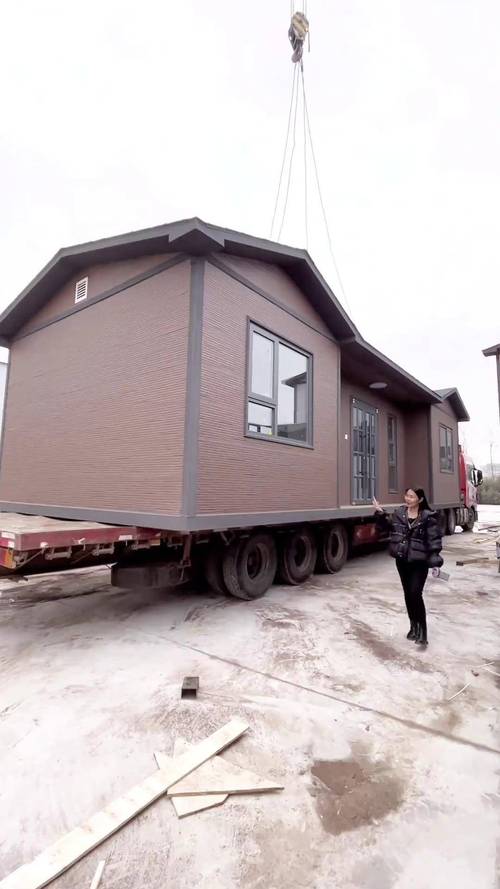
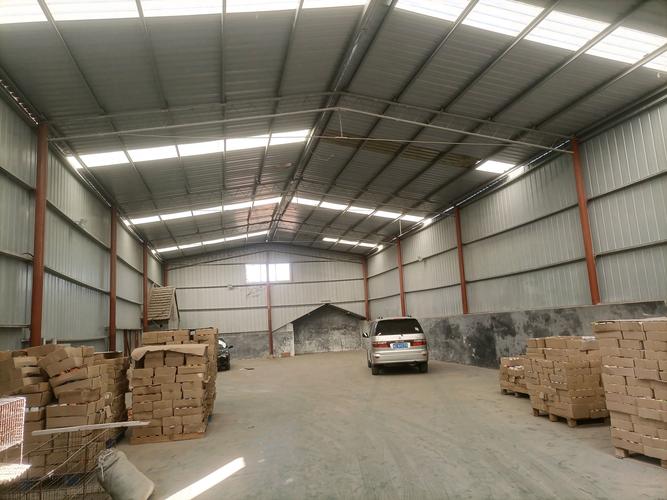
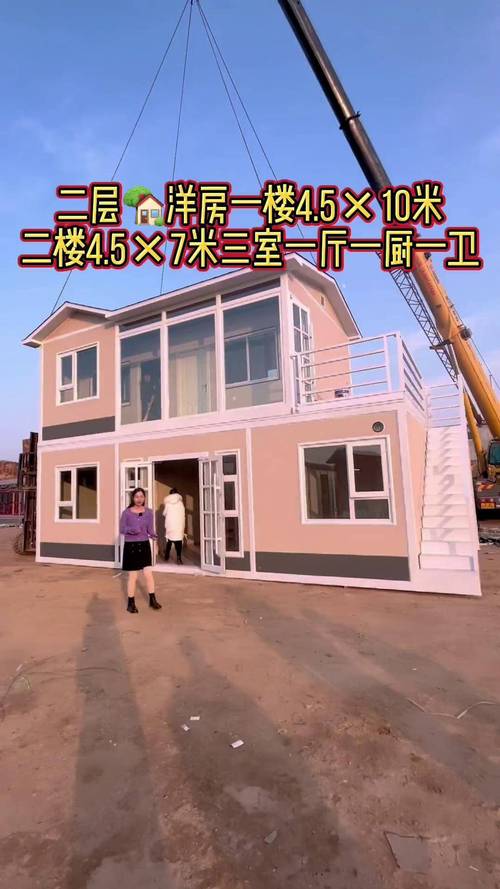
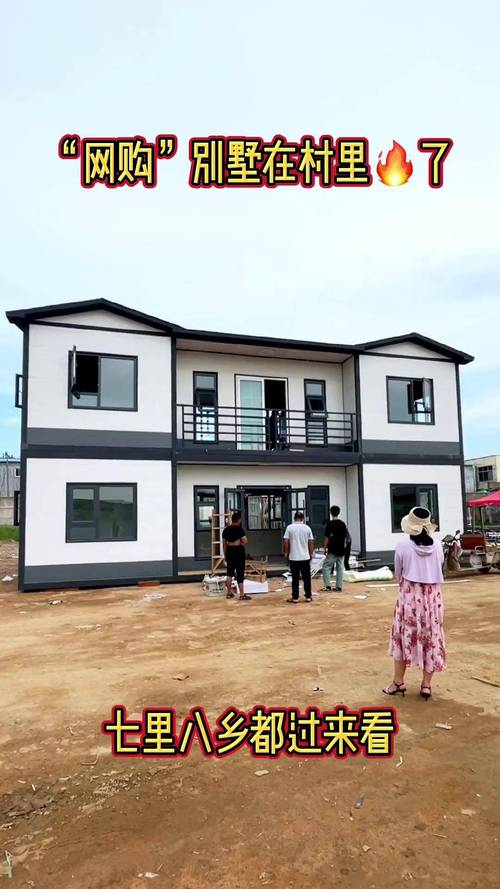
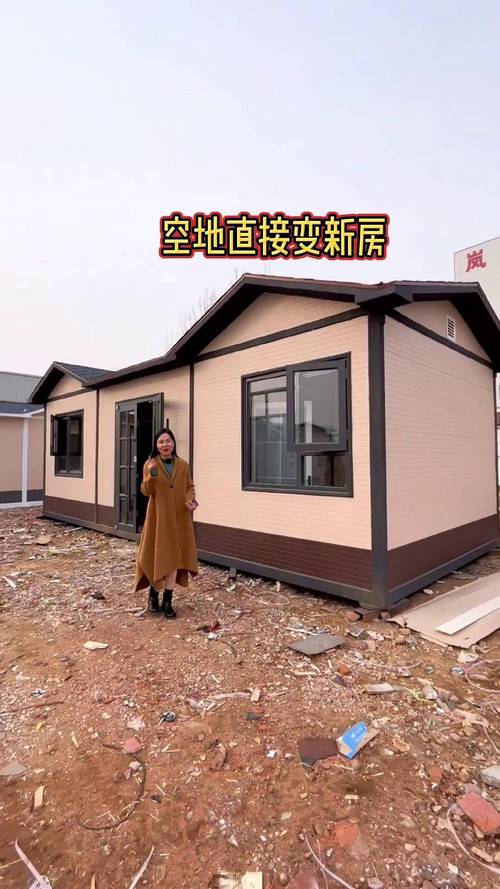
Prefabricated warehouses are constructed using pre-engineered components manufactured off-site and assembled on location. This method offers significant advantages over traditional construction: faster project timelines, lower costs, and greater flexibility in design. For manufacturers, the ability to produce standardized yet customizable building modules allows for scaling production efficiently while meeting diverse client needs. Modern prefab warehouses can be designed for various applications, from simple storage to climate-controlled distribution centers.
Manufacturer Capabilities and Innovations
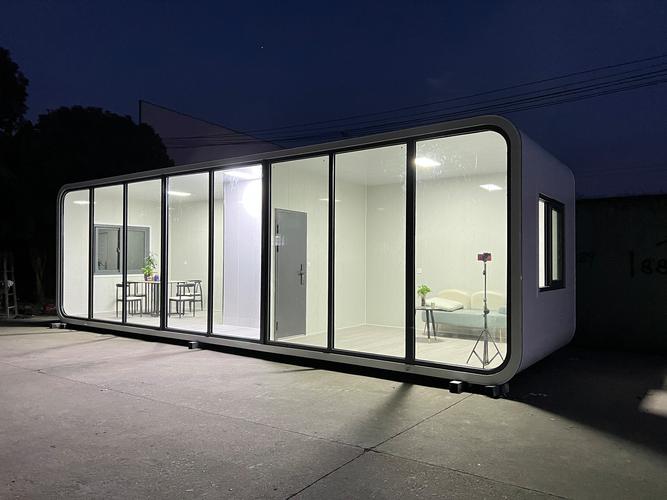
Leading manufacturers of prefabricated buildings leverage advanced technologies such as steel framing, sandwich panels, and modular connections to ensure durability and quick assembly. Many offer turnkey solutions that include design, manufacturing, delivery, and installation. Innovations in insulation, roofing, and structural integrity have made prefab warehouses suitable for long-term use and harsh environmental conditions. Furthermore, manufacturers often provide customization options for doors, windows, ventilation, and interior layouts, enabling businesses to tailor spaces precisely.
The Chinese Market: 枳旻房屋租赁 and Prefab Synergies
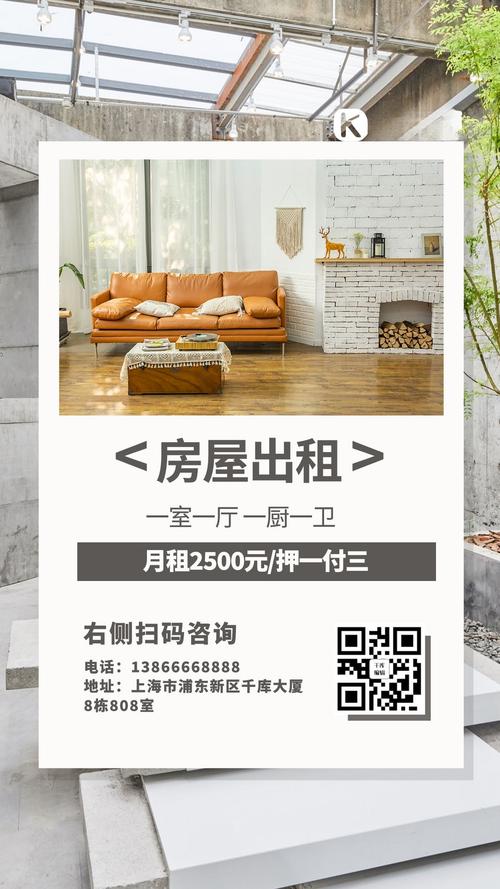
The term "枳旻房屋租赁" (Zhimin House Rental) likely refers to a specific rental service or company in China's real estate sector. In the context of prefabricated buildings, such rental services may find new opportunities by incorporating prefab structures into their portfolios. Prefab warehouses can be quickly deployed to serve as temporary storage, pop-up retail spaces, or even workforce housing. Rental companies can partner with manufacturers to offer flexible lease terms for prefab buildings, catering to clients in construction, e-commerce, and events industries who need short-term space solutions. This synergy aligns with the growing demand for agile infrastructure in urban and peri-urban areas.
Benefits for Businesses Seeking Warehouse Space
For businesses, renting or purchasing a prefabricated warehouse means avoiding the long lead times of conventional construction. Prefab manufacturers often maintain ready-to-ship inventory or can expedite production, allowing companies to respond swiftly to market changes. Additionally, prefab buildings can be relocated or expanded, making them ideal for growing enterprises. Energy efficiency and sustainable materials are also increasingly prioritized by manufacturers, reducing operational costs and environmental impact.
Challenges and Considerations
While prefab warehouses offer numerous benefits, challenges include local building code compliance and the need for proper site preparation. Manufacturers must work closely with clients to navigate regulations. Additionally, stigma about prefab quality persists in some markets, though modern engineering has largely addressed these concerns. For rental models, maintenance responsibilities and lease agreements must be clearly defined to ensure successful partnerships.
Conclusion
The collaboration between prefabricated building manufacturers and the house rental sector, as exemplified by potential integrations with services like 枳旻房屋租赁, presents a promising avenue for meeting the demand for flexible, cost-effective warehouse solutions. As technologies advance and market acceptance grows, prefab warehouses are set to play a pivotal role in the future of industrial storage and rental ecosystems.